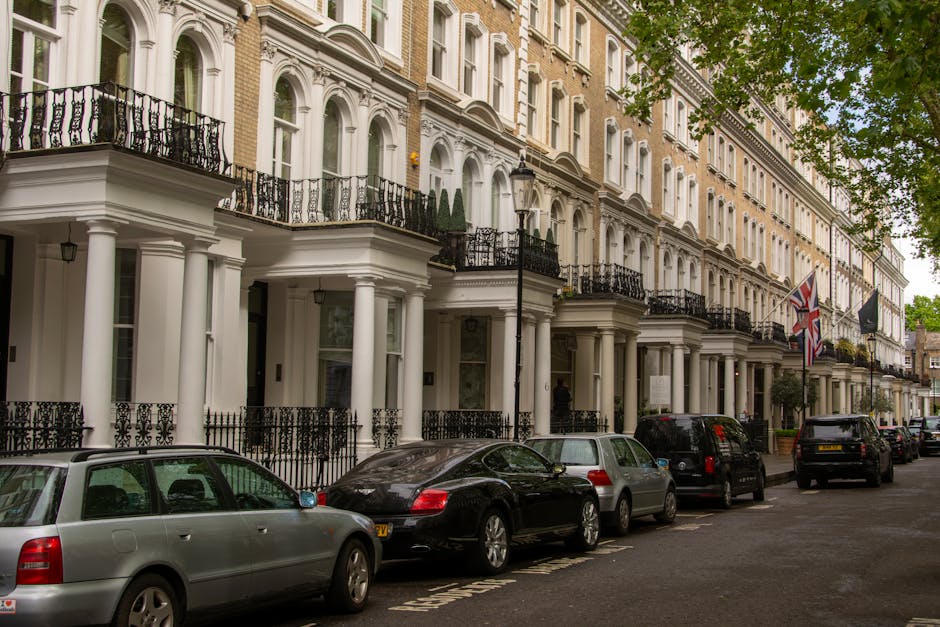
St Johns Wood High Street end of tenancy cleaning: a practical guide for a smoother move-out
Moving out is rarely tidy in real life. Boxes are half-packed, the kettle has vanished into a bag somewhere, and suddenly the kitchen looks twice as used as you remember. That is exactly where St Johns Wood High Street end of tenancy cleaning comes in. If you are leaving a flat, maisonette, or house near the High Street, this kind of clean is about more than making things look presentable. It is about meeting the standard a landlord, letting agent, or inventory clerk expects at the end of a tenancy.
Done well, it can help reduce deposit disputes, save time, and take a lot of the stress out of moving day. Done badly, it can lead to avoidable re-cleans and awkward emails you really do not need. Below, you will find a grounded, step-by-step guide to what end of tenancy cleaning involves, what matters most in St Johns Wood, how to prepare, and where professional support may make sense.
Table of Contents
- Why St Johns Wood High Street end of tenancy cleaning Matters
- How St Johns Wood High Street end of tenancy cleaning Works
- Key Benefits and Practical Advantages
- Who This Is For and When It Makes Sense
- Step-by-Step Guidance
- Expert Tips for Better Results
- Common Mistakes to Avoid
- Tools, Resources and Recommendations
- Law, Compliance, Standards, or Best Practice
- Options, Methods, or Comparison Table
- Case Study or Real-World Example
- Practical Checklist
- Conclusion
- Frequently Asked Questions
Why St Johns Wood High Street end of tenancy cleaning Matters
End of tenancy cleaning matters because the property has to be handed back in a condition that matches the tenancy agreement and the inventory expectations, allowing for fair wear and tear. That sounds formal, but in practice it usually comes down to one thing: can the next person walk in and see a properly maintained home rather than a lived-in one?
St Johns Wood High Street properties can be especially detail-sensitive. Many homes in this part of London are well-kept, older, or furnished to a higher standard than a quick casual clean would handle. Think polished worktops, glass, delicate fittings, wood floors, fitted appliances, and carpets that show every bit of dust if they are not finished properly. A light wipe around the obvious areas is rarely enough.
There is also a timing issue. When you are moving out, the property often needs to be cleaned after the furniture is removed but before keys are handed back. That means the clean has to be efficient, organised, and thorough. A missed skirting board or greasy oven can be enough to trigger a complaint. Truth be told, moving is already enough of a juggling act without adding a re-clean request into the mix.
If you want a broader look at what a full end-of-tenancy service normally covers, the main end of tenancy cleaning service page is a useful place to understand the general standard expected.
How St Johns Wood High Street end of tenancy cleaning Works
At its simplest, the process is a systematic deep clean of the property from top to bottom. The aim is not just to make the home look tidy. It is to remove built-up dirt, grease, dust, limescale, crumbs, marks, and general use residue in the areas tenants are normally responsible for.
Most professional move-out cleans follow a room-by-room approach:
- Kitchen: appliances, cabinet fronts, splashbacks, sinks, taps, extractor areas, and floors.
- Bathrooms: toilets, tiles, mirrors, taps, showers, baths, and limescale removal.
- Bedrooms and living spaces: dusting, hoovering, skirting boards, interior glass, switches, and fixtures.
- Hallways and storage areas: careful dust removal, edge cleaning, and floor finishing.
In many cases, the work is bundled with specialist extras such as carpet cleaning, oven cleaning, window cleaning, or upholstery cleaning if those items are part of the tenancy handover standard.
The cleaner should begin with a quick assessment, identify high-risk areas, and work in a logical order. For example, ovens and bathrooms often need dwell time for products to work. Floors are usually left until the end so they are not re-soiled by foot traffic. Small thing, but it matters.
If there has been any refurbishment or DIY just before move-out, an after builders cleaning approach may be needed for dust and residue that a normal end of tenancy clean will not fully solve.
Key Benefits and Practical Advantages
The most obvious benefit is reducing the chance of deposit deductions linked to cleaning. That alone is often enough to justify a proper service. But there are a few other advantages that people sometimes overlook.
1. Better presentation for inspections
When the final walk-through happens, a clean property simply reads better. Fresh surfaces, de-scaled bathrooms, and properly cleaned floors make a stronger impression than a tired, half-done tidy-up.
2. Less stress on moving day
Let's face it, moving already involves keys, boxes, utility handovers, final meter readings, and the usual panic over where you put the charger. Handing the cleaning to a structured process gives you one less thing to worry about.
3. More consistent results
Professional-style cleaning is methodical. It does not rely on memory or enthusiasm at 8 p.m. after a long day. It follows a standard, which is exactly what tenancy handovers need.
4. Better treatment of surfaces
Using the right products and methods matters, especially on painted wood, natural stone, hard floors, or soft furnishings. A rushed scrub can create more problems than it solves. A careful clean protects the surfaces while improving them.
5. Useful for tenants, landlords, and agents alike
Tenants want their deposit back. Landlords want the property ready for the next occupant. Letting agents want a smooth turnaround. A good end of tenancy clean supports all three without drama.
For homes with a mix of fabrics and flooring, it can also make sense to combine the clean with steam carpet cleaning or hard floor cleaning to get a more complete finish.
Who This Is For and When It Makes Sense
This service is mainly for tenants leaving a rented property, but it is not limited to them. In St Johns Wood High Street, you may also see it used by landlords preparing a flat for new tenants, managing agents working to a changeover deadline, or homeowners who want a move-out clean before selling or after a short-term let.
It makes particular sense when:
- you are near the end of a tenancy and want a clean handover;
- you have carpets, upholstery, or appliances that need more than a surface wipe;
- the property has not had a deep clean in a while;
- the move-out deadline is tight and you need structure;
- there are signs of heavier use in kitchens, bathrooms, or living areas;
- you want to avoid trying to do everything yourself after a long move.
It may also be a smart choice if you have pets, because fur, odour, and hidden staining can linger even when a property looks clean at first glance. In those cases, pet stain odour removal can be a very practical add-on.
For some households, a targeted one-off cleaning service is enough. For others, especially where multiple rooms need attention, the broader deep cleaning route is closer to what is actually needed. Not all move-outs are equal, and that is fine.
Step-by-Step Guidance
If you want the job done properly, a straightforward structure helps. Here is a sensible way to handle the clean without getting lost in the weeds.
- Check the tenancy agreement and inventory.
Look for any specific cleaning requirements, including carpets, appliances, garden areas, or furnished items. - Remove all belongings first.
Cleaning around bags and boxes is never ideal. Empty rooms show what really needs attention. - Start high and work down.
Dust shelves, picture rails, tops of doors, and light fittings before moving to surfaces and floors. - Use the right room order.
Many people start with the kitchen and bathrooms because they take the longest. That is usually sensible. - Treat problem areas separately.
Oven grease, limescale, soap scum, and stains often need specialist attention rather than a general wipe. - Finish with floors and final checks.
Vacuum, mop, and inspect edges, corners, and under units before leaving the property. - Do a slow final walkthrough.
This is the moment where you notice the smudge on the back of the bathroom door or the dust you somehow missed behind the radiator. Annoying, yes, but fixable if you spot it early.
Room-by-room, the practical focus should be on visible cleanliness and hygiene points. Kitchens need degreasing. Bathrooms need scale removal. Bedrooms and lounges need dust and floor care. And yes, windows matter more than people think, especially when daylight hits the glass and reveals every streak. It is always the sunlight that tattles.
Expert Tips for Better Results
After plenty of move-out cleans, a few patterns show up again and again. The properties that pass smoothly are not necessarily the ones that were the dirtiest. They are the ones where the cleaning was planned properly.
Use the inventory as your roadmap
The inventory is not just paperwork. It shows what condition the landlord expected at move-in. If a curtain rail, extractor hood, or built-in fridge is listed, it needs checking. That sounds obvious, but it gets missed all the time.
Don't leave appliances until the last minute
Ovens and fridges can be time-consuming. If the oven has baked-on residue or the fridge has odour, you want enough time to deal with it properly rather than panic-cleaning while the van is waiting outside.
Handle limescale early
Bathrooms in London often need a bit more work on taps, shower screens, and sinks. Let the product sit for the right amount of time, then wipe clean. Scrubbing too quickly often just spreads the residue.
Bring the right cloths
Microfibre cloths, a decent vacuum, a mop suitable for the floor type, and separate cloths for bathrooms and kitchens make a bigger difference than people expect. One cloth for everything? Not ideal. At all.
Think about the finishing touches
Small things influence the impression a room gives: clean light switches, dust-free skirting, marks removed from door handles, and crumbs cleared from drawers. These details are often what make a property feel genuinely handed back, not just "quickly done".
If you are dealing with fabric items as well, a service like sofa cleaning or mattress cleaning can be useful for furnished tenancies where odours or visible marks are a concern.
Common Mistakes to Avoid
Most move-out cleaning problems are surprisingly ordinary. They are not dramatic disasters. Just small misses that snowball into deposit deductions or re-clean requests.
- Cleaning before the property is empty. It wastes time and usually leaves hidden areas untouched.
- Forgetting inside cabinets and drawers. Inventory inspections often include them.
- Ignoring the oven, extractor, or fridge seals. These are easy to overlook and hard to excuse later.
- Using the wrong products on the wrong surface. Strong chemicals can damage finishes.
- Skipping skirting boards and edges. Dust gathers there, and it shows.
- Leaving carpets "for another day". That other day rarely comes.
- Not documenting the clean. Photos are not magic, but they can help if there is a disagreement later.
One mistake people make in St Johns Wood is assuming a fairly tidy flat only needs a quick once-over. Sometimes that is true. Often it is not. A property can look decent in soft evening light and still show fingerprints, kitchen grease, and bathroom residue in daylight. Sneaky, that.
Tools, Resources and Recommendations
You do not need a warehouse of products to get a good result, but you do need the basics done well. The right setup saves time and avoids repeat work.
| Tool or service | Why it helps | Best use |
|---|---|---|
| Microfibre cloths | Pick up dust and polish surfaces cleanly | Kitchen, bathroom, woodwork, glass edges |
| Vacuum cleaner with attachments | Reaches corners, edges, and upholstery seams | Carpets, stairs, sofas, skirting |
| Mop suited to the floor type | Protects hard flooring while removing residue | Tile, laminate, vinyl, sealed wood |
| Degreasing cleaner | Breaks down kitchen build-up | Oven exterior, splashbacks, cupboards |
| Descaler | Helps with taps, sinks, and shower glass | Bathroom and kitchen limescale |
| window cleaning | Removes streaks and brightens the property | Final presentation before handover |
Depending on the property, other helpful services may include regular cleaning for tenants who want to stay on top of things before moving out, or move out cleaning if you want a service framed specifically around departure day. The difference is often in the level of detail and the handover focus.
For more information about pricing structure and service enquiries, the pricing and quotes page and contact us route are the usual next steps if you are comparing your options. For peace of mind around service standards, it can also help to review insurance and safety information before booking anything.
Law, Compliance, Standards, or Best Practice
End of tenancy cleaning is not usually about one single law or official cleaning certificate. In practice, it is about meeting the tenancy agreement, the inventory condition, and accepted fair wear and tear standards. That is the key distinction.
In the UK, tenants are generally expected to return the property in the same cleaned condition as at the start of the tenancy, allowing for reasonable use over time. However, you should be careful about making assumptions. Lease wording, check-in reports, and any agreed notes all matter. If something was already present, it should not suddenly become your cleaning responsibility now. Common sense helps, but records help more.
For that reason, best practice is to:
- keep the original inventory and any email instructions;
- take before-and-after photos;
- notify the agent or landlord if anything is damaged or unusually stained;
- use appropriate cleaning methods for the material involved;
- avoid overpromising results on old stains or long-term wear.
If the property includes shared spaces, hallways, or managed entrances, communal area cleaning may be relevant too, especially in larger residential buildings where access and presentation are part of the overall handover experience.
Health and safety also matters, even for domestic work. Strong chemicals should be handled with care, floors should not be left slippery, and electrical items should be cleaned safely. If a service provider says they work to documented safety processes, that is a good sign. You do not need jargon. You need careful habits.
Options, Methods, or Comparison Table
If you are deciding how to handle the clean, the main choice is usually between doing it yourself, booking a general clean, or arranging a dedicated end of tenancy service. Here is a simple comparison.
| Option | Best for | Pros | Limits |
|---|---|---|---|
| DIY clean | Small, lightly used, well-maintained properties | Lowest direct cost, full control | Time-consuming, easy to miss detail, tiring after a move |
| General one-off clean | Homes needing a reset rather than a formal handover clean | Useful for general freshening up | May not cover tenancy-level detail |
| Dedicated end of tenancy clean | Rental properties being handed back | Structured, thorough, aligned to move-out expectations | Usually costs more than a basic clean |
There is no one perfect answer for everyone. A compact studio with modest use may not need the same level of work as a larger furnished apartment with carpets, curtains, and a heavily used kitchen. In some cases, combining services gives the best result. For instance, a property with stained carpets and fabric furniture may benefit from rug cleaning or curtain cleaning alongside the main move-out clean.
And if the move-out is happening in a property that also needs a full reset for the next occupant, the broader move in cleaning and domestic cleaning pages may help you compare the service style that best fits your situation.
Case Study or Real-World Example
A fairly typical scenario: a two-bedroom flat near St Johns Wood High Street has been occupied for just over two years. The tenants have kept it reasonably tidy, but the oven is greasy, the bathroom has limescale around the tap, the carpet has some tracked-in marks, and the balcony doors are streaked from repeated use. Nothing outrageous. Just normal life, really.
On the day before handover, the flat is empty except for a few bins and cleaning supplies. The cleaner starts with the kitchen, treating the oven and extractor first so the products can work while the rest of the property is being cleaned. Bathrooms follow next, because they need dwell time for descaler and careful attention around the shower screen. Living spaces are dusted from top to bottom, the carpets are vacuumed and treated, and the windows are finished last so no one treads on the floors after they are done.
By the end, the flat does not look "new", because that would be unrealistic. But it does look properly handed back: fresh, neutral, and ready for inspection. That is the goal. Not perfection. A strong, fair, inspection-ready finish.
In another case, a landlord preparing for a new tenant may combine a move-out clean with house cleaning or office cleaning principles if the property is being used in a mixed or managed way. The exact service mix depends on what the space actually needs, not just the label on the booking form.
Practical Checklist
Use this checklist as a final pass before handover. It is deliberately simple, because by moving day your brain is probably already full.
- All personal belongings removed from the property
- Inside and outside of cupboards cleaned
- Kitchen surfaces degreased and wiped
- Oven, hob, extractor, and fridge checked
- Bathroom limescale removed from taps and screens
- Toilet, sink, bath, and shower fully cleaned
- Skirting boards, switches, and door handles wiped
- Carpets vacuumed or professionally treated
- Hard floors swept and mopped appropriately
- Windows, mirrors, and glass cleaned without streaks
- Bins emptied and cleaned if needed
- Any stains or odours reported or treated
- Final photos taken for your records
- Keys, meter readings, and handover details confirmed
If the property is furnished, check soft furnishings too. A tired sofa or marked mattress can change the impression of the whole room. That is why people sometimes add sofa cleaning and mattress cleaning to their move-out plan, even when the rest of the place looks fine.
Get a free quote today and see how much you can save.
Conclusion
St Johns Wood High Street end of tenancy cleaning is not just about making a property look neat for five minutes. It is about handing back a home in a condition that feels fair, organised, and inspection-ready. When the clean is planned properly, the whole move becomes easier. Less stress. Fewer surprises. Better odds of a smooth sign-off.
The biggest wins usually come from simple habits: clean thoroughly, check the tenancy paperwork, don't leave specialist tasks too late, and use the right help where needed. That is really the heart of it. Not fancy, just effective.
And if you are in the middle of a move right now, take a breath. One room at a time gets there. It always does.
Frequently Asked Questions
What does end of tenancy cleaning usually include?
It usually includes a full deep clean of the property: kitchen, bathrooms, living areas, bedrooms, floors, surfaces, fittings, and often appliances. The exact scope depends on the tenancy agreement and the condition of the property.
Do I need professional St Johns Wood High Street end of tenancy cleaning to get my deposit back?
Not always, but a professional-style clean can reduce the risk of missed areas and inspection issues. If the property is large, furnished, or heavily used, it often makes sense.
How is end of tenancy cleaning different from regular cleaning?
Regular cleaning maintains a home. End of tenancy cleaning is more detailed and focuses on handover condition, including areas people often skip in weekly cleaning, such as inside cabinets, behind appliances, and around fixtures.
How long does a move-out clean take?
It depends on the property size, condition, and whether extras like carpet or oven cleaning are included. A small flat may take a few hours; larger or more demanding homes take longer.
Should carpets be cleaned before or after the main clean?
Usually after the main dusting and surface cleaning, but before the final inspection. The order matters because you do not want foot traffic marking freshly cleaned carpets.
What if there are stains that will not come out?
Old stains may improve but not disappear completely. It is best to treat them early and be realistic. Some marks are embedded, and overworking them can damage the surface.
Is oven cleaning part of end of tenancy cleaning?
It often is, but not always automatically. Many move-out cleans include a deep oven clean because it is one of the most commonly checked areas.
Can I book end of tenancy cleaning if the property is already empty?
Yes, and that is usually the best time to do it. Empty rooms make it easier to reach edges, clean behind items, and get a more complete result.
What if my tenancy inventory says the property should be professionally cleaned?
Then you should check the wording carefully and make sure the property is cleaned to that standard. Keep records and photos in case there is any disagreement later.
Do landlords have to accept fair wear and tear?
Yes, fair wear and tear is generally part of normal tenancy expectations. That means not every mark or sign of use should be treated as damage. Cleaning should address dirt and residue, not normal ageing.
Can I combine end of tenancy cleaning with other services?
Yes. It is often sensible to combine it with carpet cleaning, window cleaning, upholstery cleaning, or stain removal if those items are part of the handover standard.
What is the best next step if I am moving out soon?
Start by checking your inventory and identifying the areas that need specialist attention. Then decide whether you want a DIY clean, a one-off clean, or a dedicated end of tenancy service. A little planning now saves a lot of rushing later.